WelcomeSee more
“
One of the hallmarks of the Department of Neuroscience is the level of interaction and collaboration between laboratories and laboratories in other departments.
”
RICHARD HUGANIR, PhD, Director
Faculty MembersSee more
-
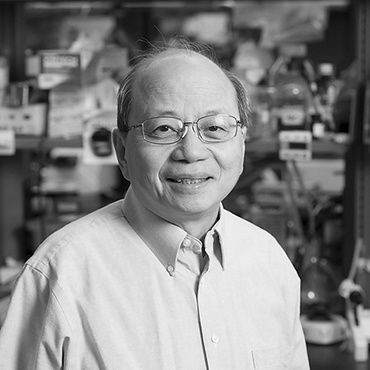 “Our laboratory studies phototransduction and olfactory transduction.” King-Wai Yau PhD Professor of Neuroscience
 -
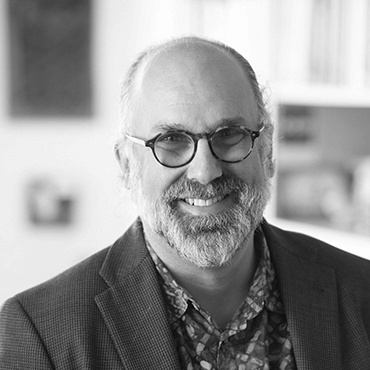 “My lab studies neural plasticity ranging from injury to memory.” David Linden PhD Professor of Neuroscience
 -
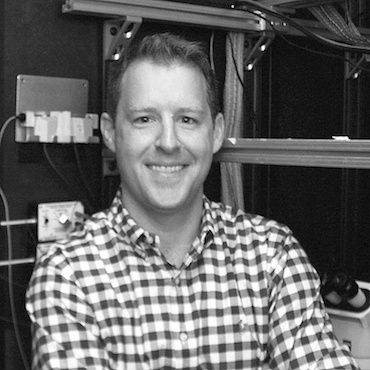 Christopher Fetsch PhD Assistant Professor of Neuroscience
 -
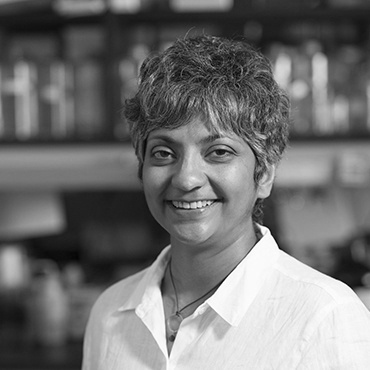 “We study mechanisms of cellular differentiation and neurodegeneration, with relevance to disease.” Shanthini Sockanathan PhD Professor of Neuroscience
 -
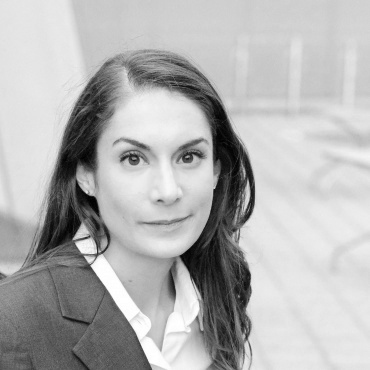 “We study the spatiotemporal dynamics of cellular and individual identity in development and disease.” Genevieve Stein-O'Brien MHS, PhD Assistant Professor of Neuroscience, Brain Science Institute; Associate Director of JHU Single-cell Training and Analysis Center
 -
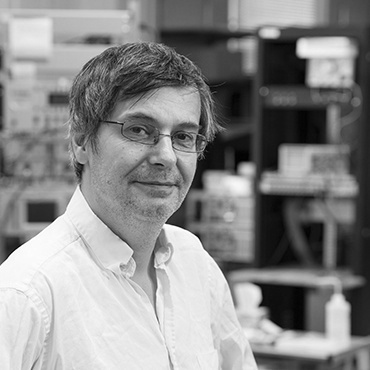 “My lab tries to understand how sensory experience shapes cortical circuitry and function.” Alfredo Kirkwood PhD Professor of Neuroscience
 -
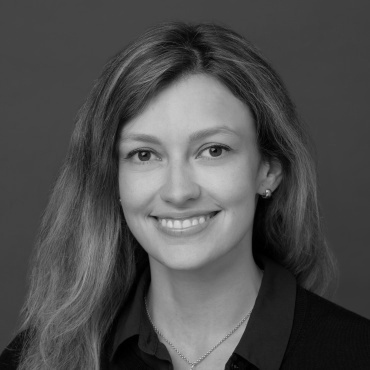 “How do we develop and adapt flexible strategies for interacting with others? ” Maya Opendak PhD Assistant Professor of Neuroscience
 -
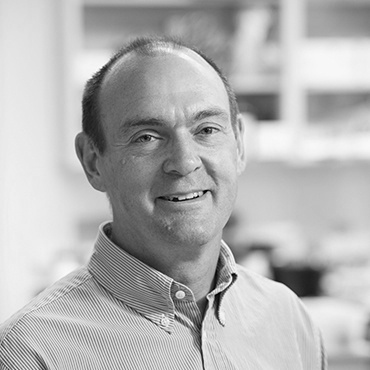 “We study immediate early gene mediated plasticity in healthy and diseased brain.” Paul Worley MD Professor of Neuroscience
EventsSee events calendar
Baltimore citySee more
-
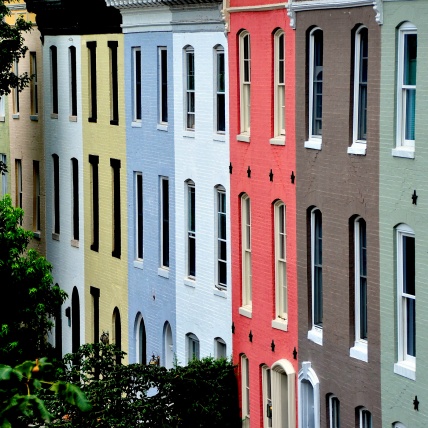
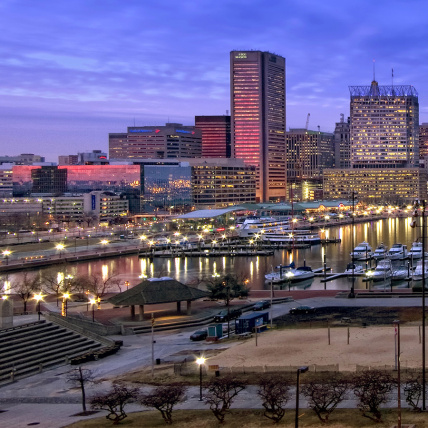
“ The waterfront promenade is a great way to enjoy a sunny day in Baltimore. From Harborplace, you can walk east through lovely waterfront neighborhoods—Harbor East, Fells Point,Canton. Great watering holes, pubs, and coffee shops! ” Ronald Schnaar, Professor“ The Chesapeake Bay is one of the premier sailing areas in the world. I love sailing my boat and spending time on the water. ” Ernst Niebur, Professor“ I love the Crab Cake Cones from the Gypsy Queen (gypsyqueencafe.com) food truck when they’re on campus. ” Jenn Orthmann Murphy, MD, PhD (Postdoc, Bergles Lab)
-
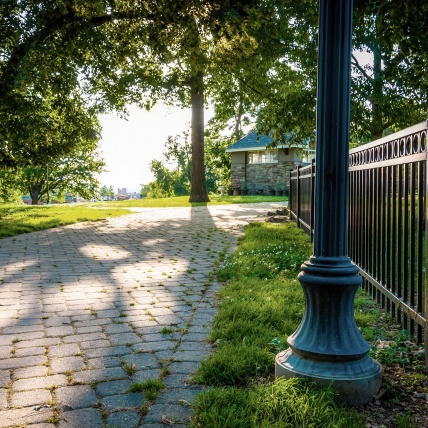
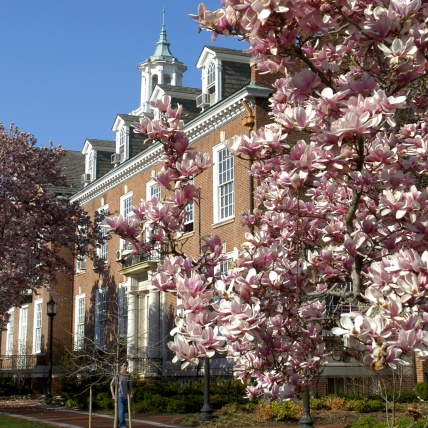
-
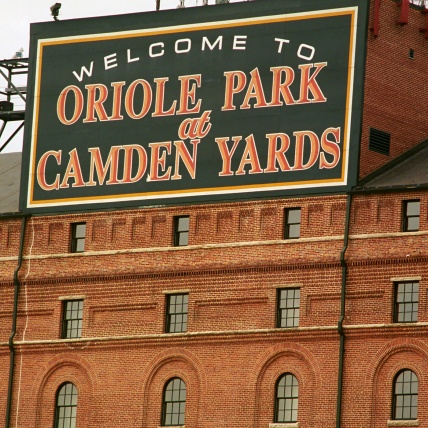
“ The year-round ultimate frisbee leagues in Catonsville and the Neuroscience department softball team. ” Travis Faust, Graduate Student (Sawa Lab)“ I’m new here, so getting lost biking through Baltimore has been a great way to explore. The murals are beautiful. Also, it’s wonderful to be living in a city that is celebrated for their crab dishes—my favorite comfort food! ” Raina D’Aleo, Graduate Student“ Each neighborhood in Baltimore has a unique personality offering a variety of affordable food options. I love the charcuterie selection at Trinacria and Parts & Labor. ” Wendy Xin, Graduate Student (Bonci Lab)