WelcomeSee more
“
One of the hallmarks of the Department of Neuroscience is the level of interaction and collaboration between laboratories and laboratories in other departments.
”
RICHARD HUGANIR, PhD, Director
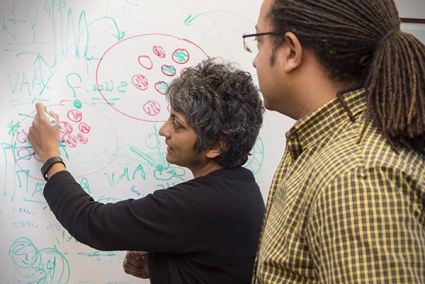
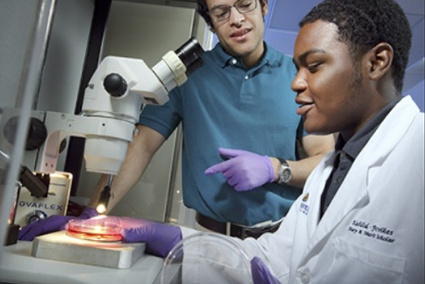
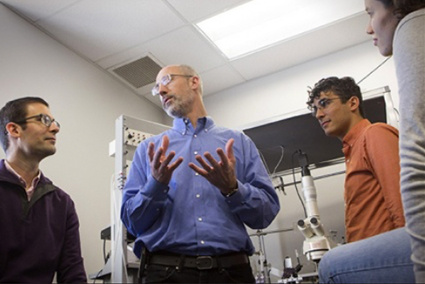
Faculty MembersSee more
-
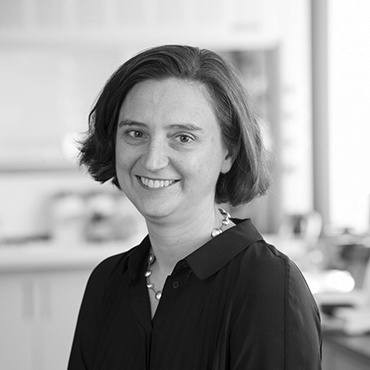 “My lab studies how brain circuits process sensory information to generate perception.” Solange Brown MD, PhD Associate Professor of Neuroscience
 -
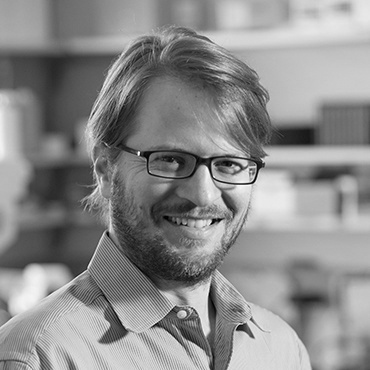 “We study the neural basis of learning and memory, decision-making, and timing.” Marshall Hussain Shuler PhD Associate Professor of Neuroscience
 -
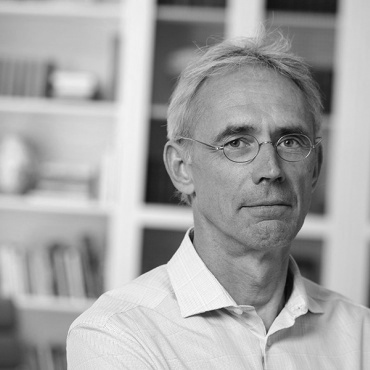 Ulrich Mueller PhD Bloomberg Distinguished Professor of Neuroscience and Biology
 -
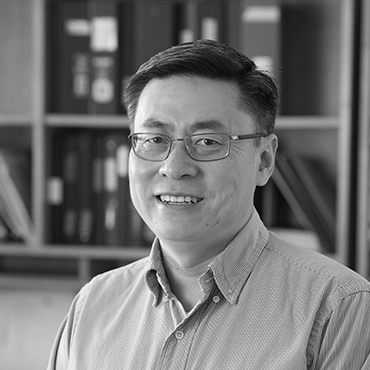 “My lab studies the molecular and cellular mechanisms of pain, itch, and inflammation.” Xinzhong Dong PhD Professor of Neuroscience, Neurosurgery, Dermatology
 -
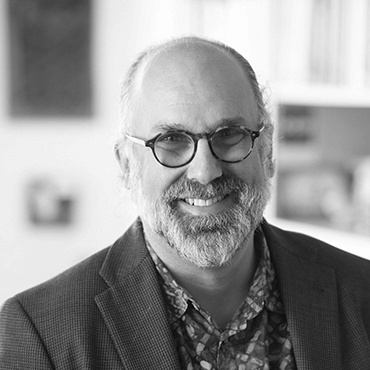 “My lab studies neural plasticity ranging from injury to memory.” David Linden PhD Professor of Neuroscience
 -
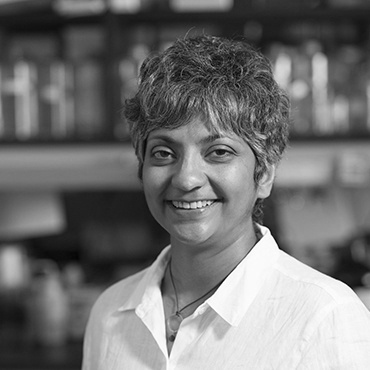 “We study mechanisms of cellular differentiation and neurodegeneration, with relevance to disease.” Shanthini Sockanathan PhD Professor of Neuroscience
 -
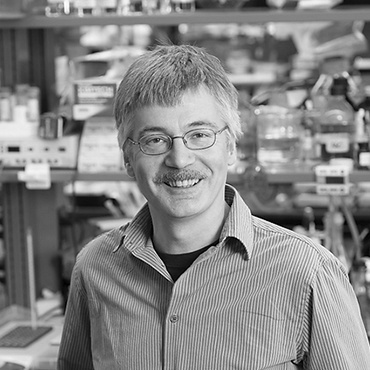 “My lab studies the neural mechanisms underlying decision-making and executive control.” Veit Stuphorn PhD Associate Professor of Neuroscience
 -
 “We want to understand our learning and cognition by cells and synapses.” Hyungbae Kwon PhD Associate Professor of Neuroscience
Director of Admissions
EventsSee events calendar
Baltimore citySee more
-
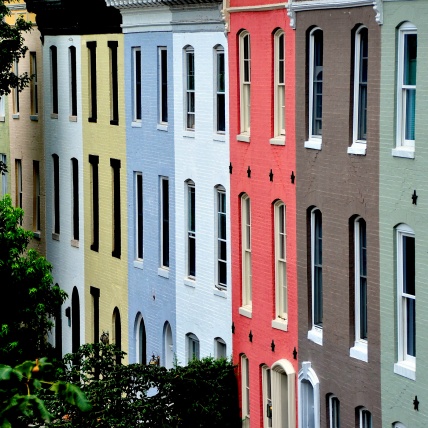
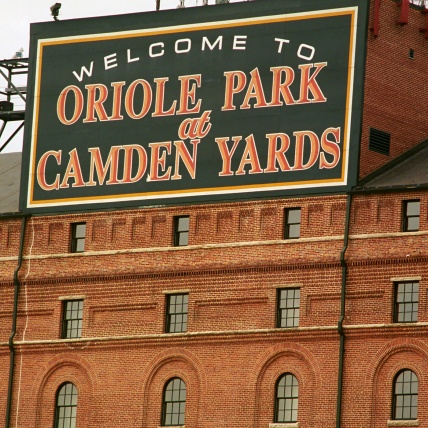
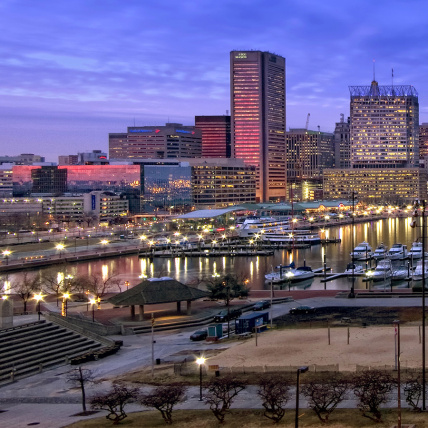
“ The waterfront promenade is a great way to enjoy a sunny day in Baltimore. From Harborplace, you can walk east through lovely waterfront neighborhoods—Harbor East, Fells Point,Canton. Great watering holes, pubs, and coffee shops! ” Ronald Schnaar, Professor“ The Chesapeake Bay is one of the premier sailing areas in the world. I love sailing my boat and spending time on the water. ” Ernst Niebur, Professor“ I love the Crab Cake Cones from the Gypsy Queen (gypsyqueencafe.com) food truck when they’re on campus. ” Jenn Orthmann Murphy, MD, PhD (Postdoc, Bergles Lab)
-
-
“ The year-round ultimate frisbee leagues in Catonsville and the Neuroscience department softball team. ” Travis Faust, Graduate Student (Sawa Lab)“ I’m new here, so getting lost biking through Baltimore has been a great way to explore. The murals are beautiful. Also, it’s wonderful to be living in a city that is celebrated for their crab dishes—my favorite comfort food! ” Raina D’Aleo, Graduate Student“ Each neighborhood in Baltimore has a unique personality offering a variety of affordable food options. I love the charcuterie selection at Trinacria and Parts & Labor. ” Wendy Xin, Graduate Student (Bonci Lab)