WelcomeSee more
“
One of the hallmarks of the Department of Neuroscience is the level of interaction and collaboration between laboratories and laboratories in other departments.
”
RICHARD HUGANIR, PhD, Director
Faculty MembersSee more
-
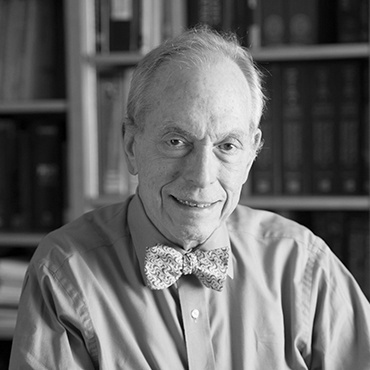 “We study novel messenger molecules and their interface with psychotropic drugs.” Solomon H. Snyder MD, DSc, DPhil (Hon Causa) Professor of Neuroscience Emeritus
 -
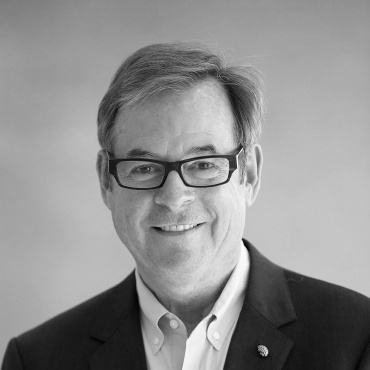 “My lab studies the molecular mechanisms underlying learning and memory.” Richard Huganir PhD Bloomberg Distinguished Professor of Neuroscience and Psychological and Brain Sciences
Director, Department of Neuroscience -
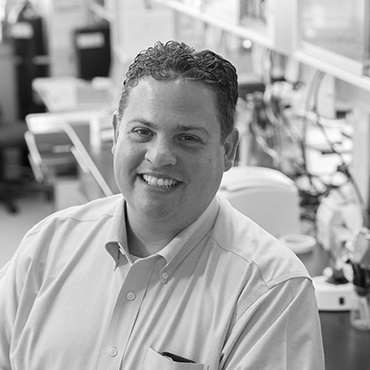 “My lab studies the impact of long noncoding RNAs on the establishment and maintenance of distinct neuronal cell types.” Loyal Goff PhD Associate Professor of Neuroscience and Genetic Medicine
 -
 “We want to understand our learning and cognition by cells and synapses.” Hyungbae Kwon PhD Associate Professor of Neuroscience
Director of Admissions -
-1-370x370-bw.jpg) “We investigate how the hippocampus provides the contextual framework for episodic memories.” James Knierim PhD Professor of Neuroscience
“We investigate how the hippocampus provides the contextual framework for episodic memories.” James Knierim PhD Professor of Neuroscience -
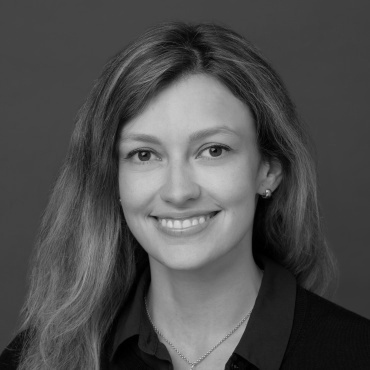 “How do we develop and adapt flexible strategies for interacting with others? ” Maya Opendak PhD Assistant Professor of Neuroscience
 -
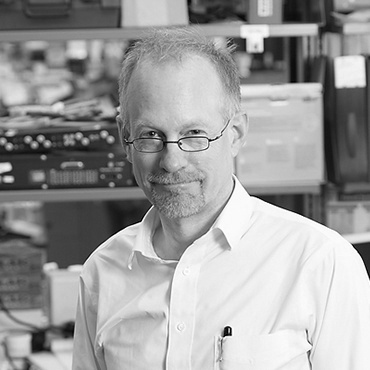 “We study the neural codes that make object/scene vision so vivid and information-rich.” Ed Connor PhD Professor of Neuroscience
 -
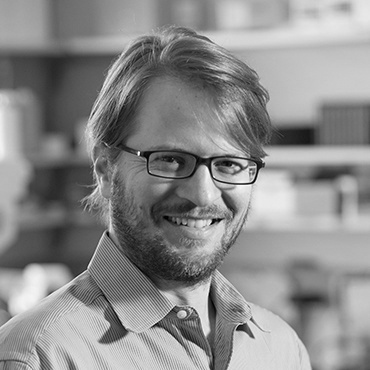 “We study the neural basis of learning and memory, decision-making, and timing.” Marshall Hussain Shuler PhD Associate Professor of Neuroscience
EventsSee events calendar
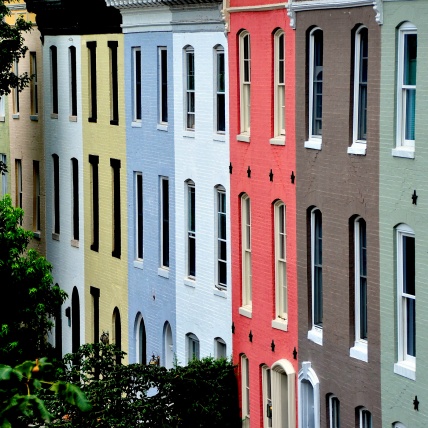
Baltimore citySee more
-
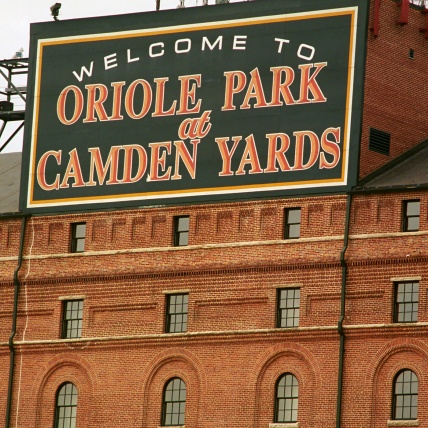
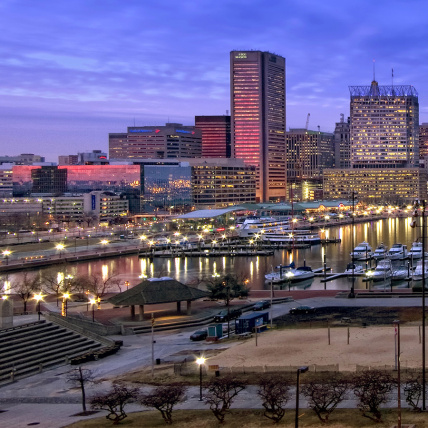
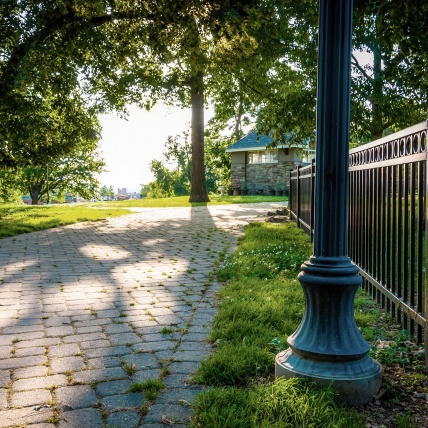
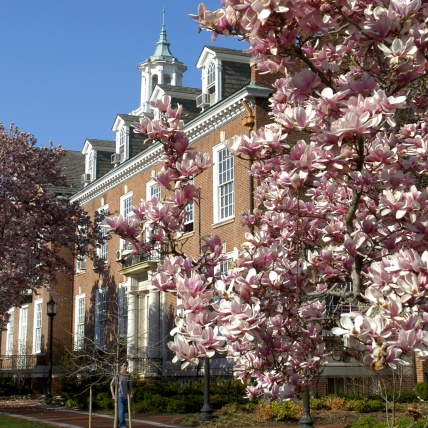
“ The waterfront promenade is a great way to enjoy a sunny day in Baltimore. From Harborplace, you can walk east through lovely waterfront neighborhoods—Harbor East, Fells Point,Canton. Great watering holes, pubs, and coffee shops! ” Ronald Schnaar, Professor“ The Chesapeake Bay is one of the premier sailing areas in the world. I love sailing my boat and spending time on the water. ” Ernst Niebur, Professor“ I love the Crab Cake Cones from the Gypsy Queen (gypsyqueencafe.com) food truck when they’re on campus. ” Jenn Orthmann Murphy, MD, PhD (Postdoc, Bergles Lab)
-
-
“ The year-round ultimate frisbee leagues in Catonsville and the Neuroscience department softball team. ” Travis Faust, Graduate Student (Sawa Lab)“ I’m new here, so getting lost biking through Baltimore has been a great way to explore. The murals are beautiful. Also, it’s wonderful to be living in a city that is celebrated for their crab dishes—my favorite comfort food! ” Raina D’Aleo, Graduate Student“ Each neighborhood in Baltimore has a unique personality offering a variety of affordable food options. I love the charcuterie selection at Trinacria and Parts & Labor. ” Wendy Xin, Graduate Student (Bonci Lab)